
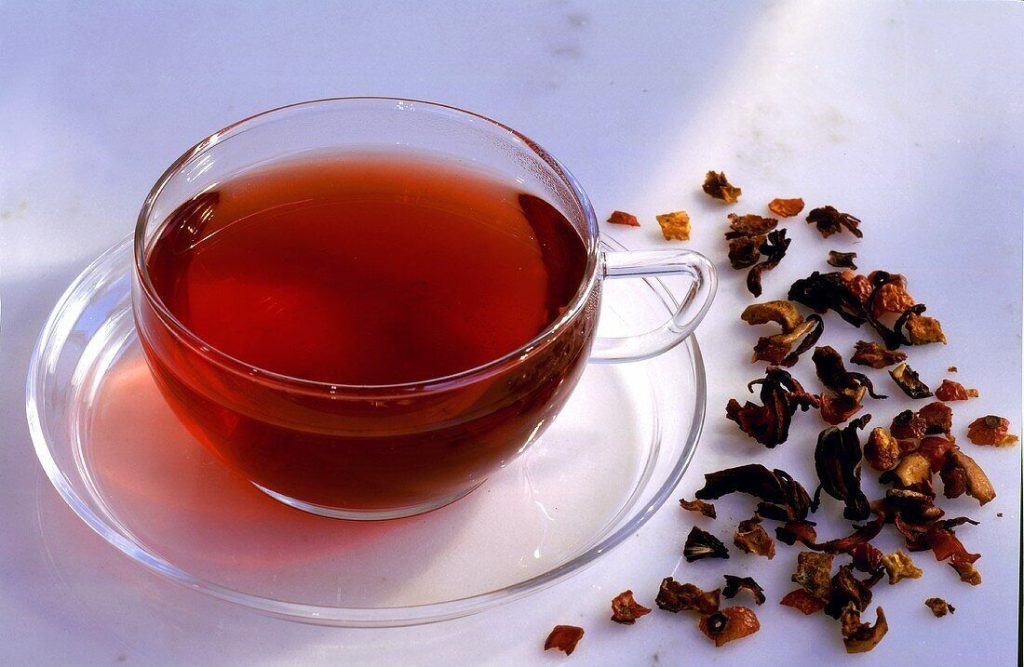
Sri Lanka, an island nation renowned for its lush landscapes and rich biodiversity, is a treasure trove of herbal teas. Known locally as “Peyava,” these herbal infusions have been cherished for centuries for their therapeutic benefits and unique flavors. In this blog, we explore the top herbal tea varieties from Sri Lanka, their ingredients, how to brew them, and their remarkable health benefits.
1. Beli Mal Tea (Aegle marmelos)
Description
Beli Mal, or Bael Flower Tea, is derived from the dried flowers of the bael tree, revered in Ayurvedic medicine. Its mildly sweet and floral flavor provides a calming sensory experience.
Ingredients
- Dried bael flowers (Aegle marmelos)
How to Brew
- Add 2–3 dried bael flowers to a cup of boiling water.
- Let it steep for 5–7 minutes.
- Strain and serve warm, optionally adding a teaspoon of honey.
Health Benefits
- Relieves digestive disorders like constipation and bloating.
- Acts as a natural coolant for the body.
- Supports liver health and boosts immunity.
2. Gotukola Tea (Centella asiatica)
Description
Gotukola, also known as Asiatic pennywort, is a staple in Sri Lankan wellness practices. Its tea has an earthy flavor and is often consumed to improve mental clarity.
Ingredients
- Fresh or dried gotukola leaves (Centella asiatica)
How to Brew
- Boil 1–2 teaspoons of dried gotukola leaves in water for 5–8 minutes.
- Strain and enjoy warm.
Health Benefits
- Enhances memory and concentration.
- Promotes healthy skin and reduces signs of aging.
- Aids in reducing anxiety and stress.
3. Polpala Tea (Aerva lanata)
Description
Polpala tea is made from a flowering plant known for its detoxifying properties. The tea has a mild, grassy taste and is commonly used in Ayurvedic treatments.
Ingredients
- Dried polpala leaves (Aerva lanata)
How to Brew
- Add 1 tablespoon of dried polpala leaves to boiling water.
- Simmer for 10 minutes.
- Strain and drink warm.
Health Benefits
- Helps cleanse the urinary system.
- Alleviates kidney stones and urinary tract infections.
- Supports liver detoxification.
4. Ranawara Tea (Cassia auriculata)
Description
The Ranawara flower tea, golden in color and mild in flavor, is a favorite among Sri Lankans for its cooling and purifying properties.
Ingredients
- Dried ranawara flowers (Cassia auriculata)
How to Brew
- Add a handful of dried flowers to boiling water.
- Let it steep for 5–7 minutes.
- Strain and enjoy plain or with a touch of jaggery.
Health Benefits
- Improves skin health and complexion.
- Balances blood sugar levels.
- Eases menstrual discomfort and promotes hormonal balance.
5. Ginger Tea (Zingiber officinale)
Description
Ginger tea is a globally loved infusion, and in Sri Lanka, it’s often spiced with a hint of cinnamon or lemongrass. Its spicy warmth makes it perfect for rainy days.
Ingredients
- Fresh ginger root (Zingiber officinale), sliced or grated
- Optional: cinnamon stick or lemongrass
How to Brew
- Boil 1–2 teaspoons of grated ginger in water for 10 minutes.
- Add a cinnamon stick or lemongrass for added flavor.
- Strain and serve with honey or lemon.
Health Benefits
- Alleviates nausea and motion sickness.
- Boosts immunity and fights cold symptoms.
- Improves digestion and reduces inflammation.
Tips for Brewing Herbal Teas
- Use fresh, clean water to enhance flavor and extract nutrients.
- Cover the tea while steeping to retain essential oils and aromas.
- Adjust steeping time to suit your taste preference.
Conclusion
Sri Lankan herbal teas offer a harmonious blend of tradition, flavor, and health benefits. Whether you’re seeking relaxation, improved digestion, or an immunity boost, there’s a herbal tea for you. Next time you sip a cup of Beli Mal or Gotukola tea, you’ll not only enjoy its unique flavor but also its profound wellness benefits.
References
- Ayurvedic Medicine Practices in Sri Lanka – Journal of Herbal Medicine.
- “Herbal Plants in Sri Lankan Tradition” by Department of Ayurveda.
- Health Benefits of Ceylon Herbal Teas – Research by University of Peradeniya.
Explore Sri Lanka’s rich tea heritage, one cup at a time!